When did you start reenacting?
When did you become a member of Comites Feroces?
To be honest, I didn’t start “proper” reenactment until 2019/2020 and even then it was of dubious quality at best. Before that I would dabble in this or that time period, mostly because I wanted to try out different weapons or liked certain items of clothing, which seems to be a rather common path into the hobby. Even earlier than that, I would visit a lot of medieval fairs and castles with my parents, imagining how life would have been like “back then in the middle ages”.
As for Comites Feroces?
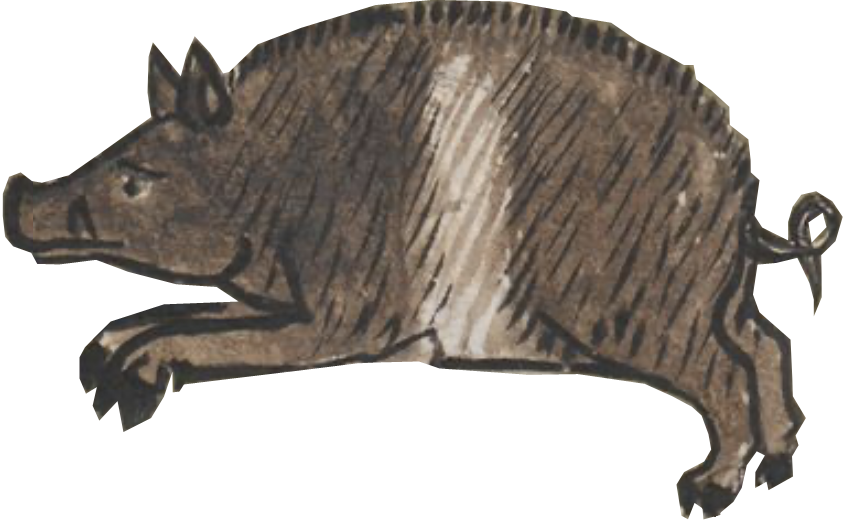
I was a founding member in 2017 and have been the head of the group ever since. Ah, what a merry band of hogs we have become.
Why did you start reenacting?
Besides having a great interest in medieval history, especially in aspects of material culture, I always liked the atmosphere of reenactment camp-sites and really appreciated the effort that went into their creation. In 2018, when I wrote my bachelor’s thesis about relicts of the Hussite incursions into Austria, I became hooked. It was a great coincidence that a certain medieval fair focussed on the same period and provided space for reenactment groups to meet up. This drove me to pursue a more consistent and source-based approach to reenactment. However, this spirit was met by a lot of constraints and a somewhat laissez-faire attitude, which in turn resulted in some sub-par outfit and equipment choices.
At some point, I was fed up with this half-hearted approach and decided to gradually improve my own kit and our group’s display as a whole. It felt absolutely wrong to study archaeology and history academically and not deliver the quality one would expect from an “expert”. Instead of explaining what I was doing wrong, I would now simply improve my kit, so it could speak for itself. A fact which matters a lot, if you consider the copious amount of pictures that are being taken at such events and how they might up on Social Media, inspiring others or serving as justification.
Part of this change in my approach derived from academic interaction with reenactment and its histories, which showed me the value and limitations of reenactment and living history as a mode of communication of academically acquired and “proven” or rather peer reviewed knowledge towards a broader audience.
Another part of it was the fact that I practiced a lot of experimental archaeology anyways and wanted to combine some of its principles with the reconstructions necessary for reenactment; i.e. marching in period gear, manual labour in period clothing with reconstructed tools, etc.
And most importantly, I remember quite well how I felt as a kid, when I got to experience knights in shining armour. It is this feeling of awe and curiosity that I strive to evoke in others so that they might decide to delve a bit deeper into history besides knights and swords. #armourisagatewaydrug
Main Area(s) of Interest
My main areas of interest lie in the social, economic and military history of the European Middle Ages with a strong emphasis on material culture and its uses. Within these boundaries, I am especially interested in the time period of the Hussite Wars, what led to the escalation of this conflict and how it impacted societies. My passion project is the Austrian peasant militia of 1431, something which is limited by its source material but nonetheless a fascinating topic.
Besides this, I would also really like to do some early-medieval Moravian reenactment, simply because I consider it to be really underrepresented in the narratives of Austrian history.
Who/what do you portray?
At the moment I have three characters or setups that I consider presentable: First and foremost comes the peasant/peasant militiaman, who is armed and equipped according to the “Kriegsordnung” of 1431. In short, this portrayal aims to highlight the importance of this revolutionary change in warfare that happened during this time. If you are interested, you can also read about it here (Link zu Bauernmiliz)
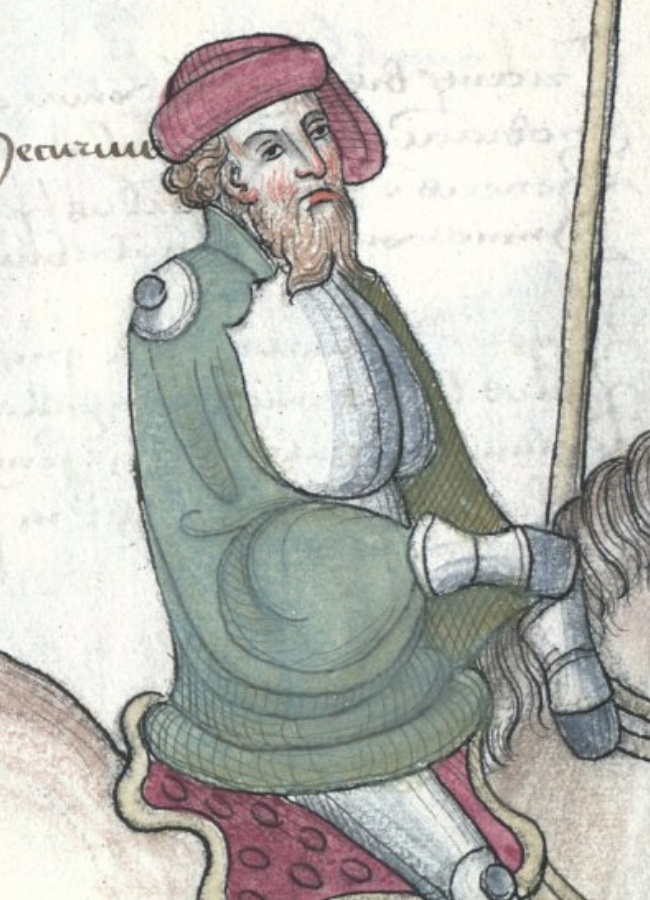
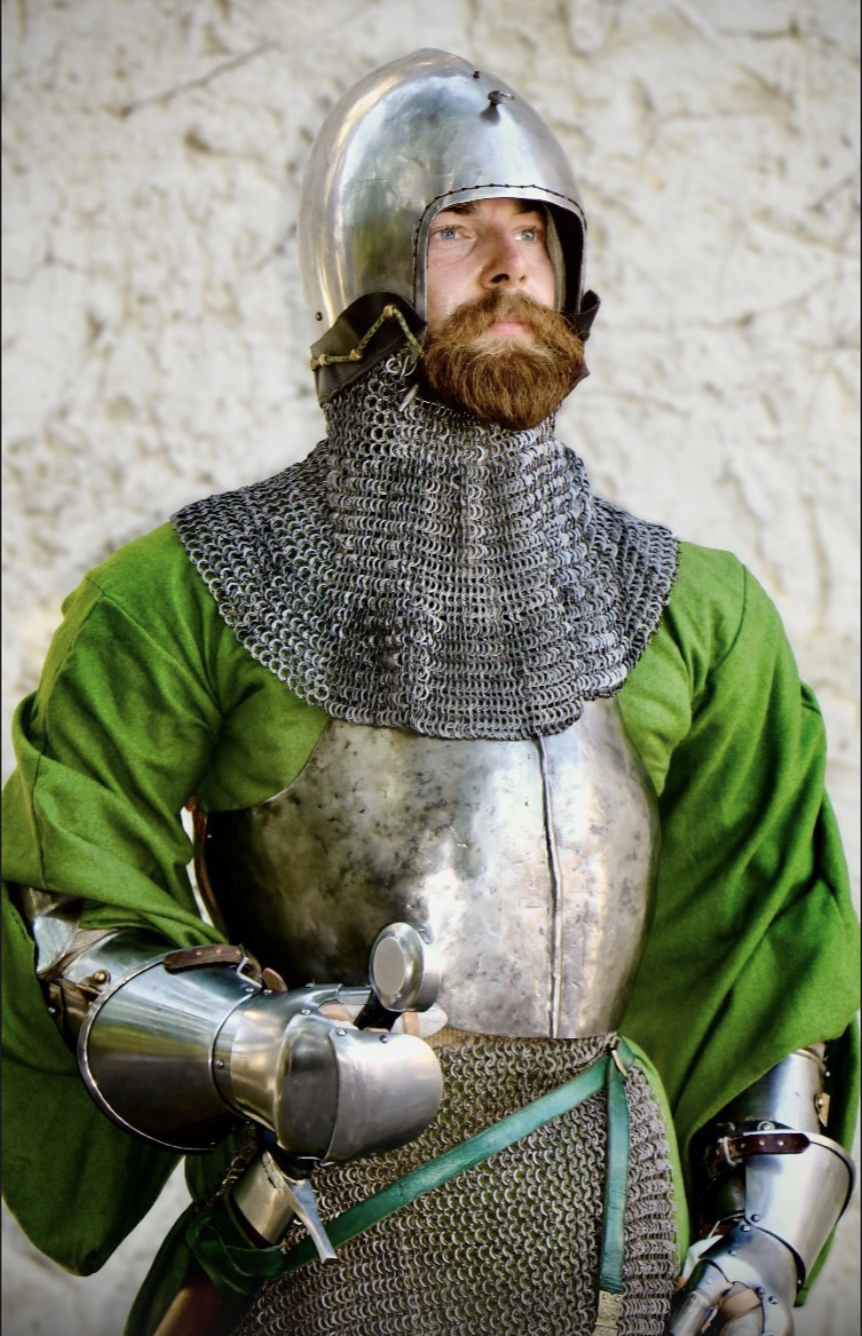
The second character is that of a burgher of a town in lower or upper Austria of reasonable wealth, who entered the service of the duke of Austria as a Reisiger/Kriegsknecht or man-at-arms. This setup is considerably better armoured and equipped than the peasant (duh) and is therefore safe for fighting in reenactment battles. I can easily manage to switch between lower and higher standing here by changing a few things here and there. Considering the area of reference, it’s not too much on the noble side and still affordable.
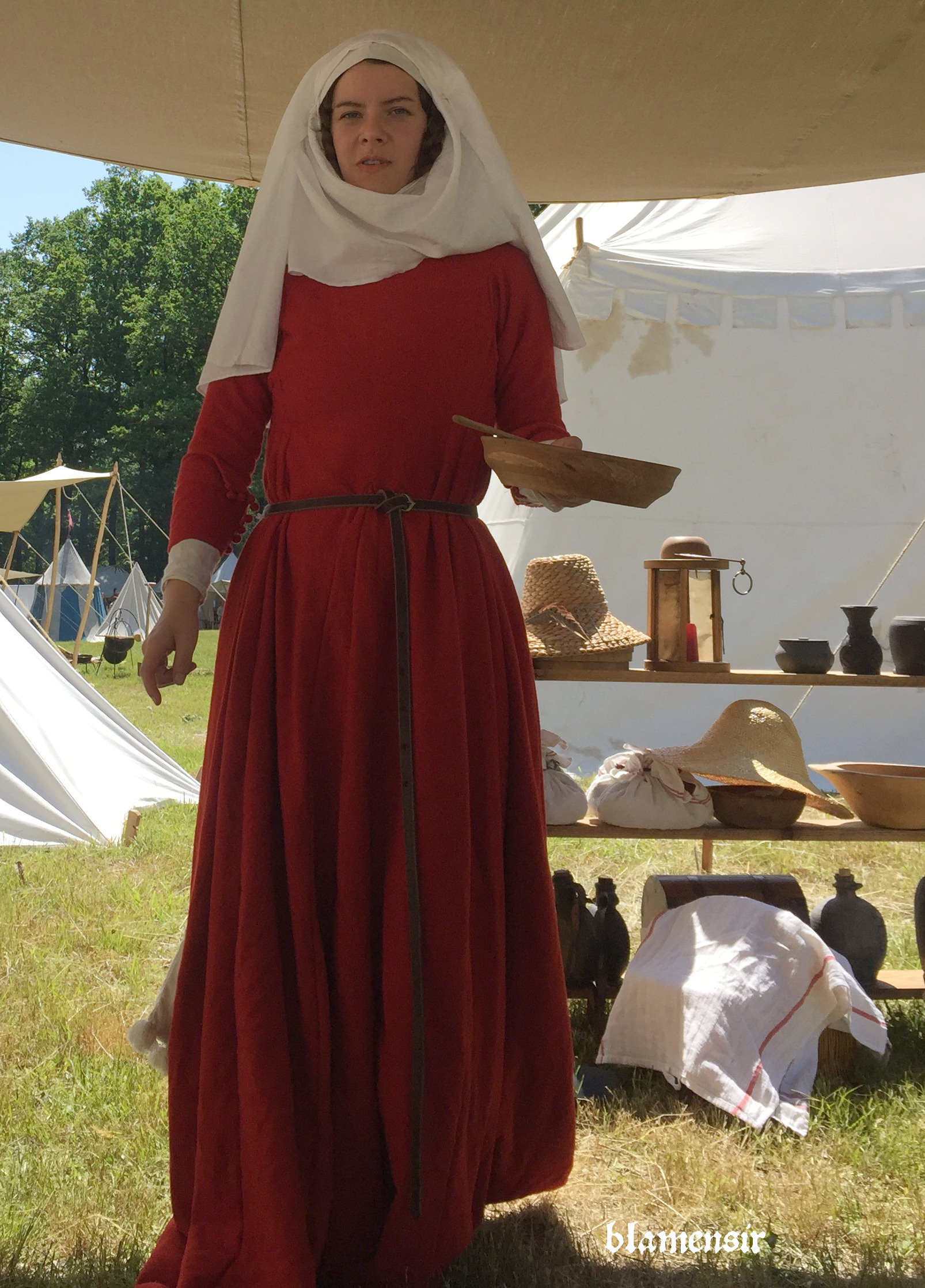
The third and least used one is a tradesman’s apprentice or journeyman, involving various forms of smithing, preferably tools or knives. This character is rarely developed beyond a few sentences uttered between hammering sessions and I doubt this will change in the near future.
Favourite manuscript
Bellifortis —
BSB Clm 30150
Fiore di Battaglia —
Ms. Ludwig XV 13 (83.MR.183)
Tacuinum Sanitatis —
Cod. Ser. n. 2644
Prayer book of Albert V. —
Codex Vindobonensis Palatinus 2722
Manuscript lookalike