Cotehardie/ Kirtle
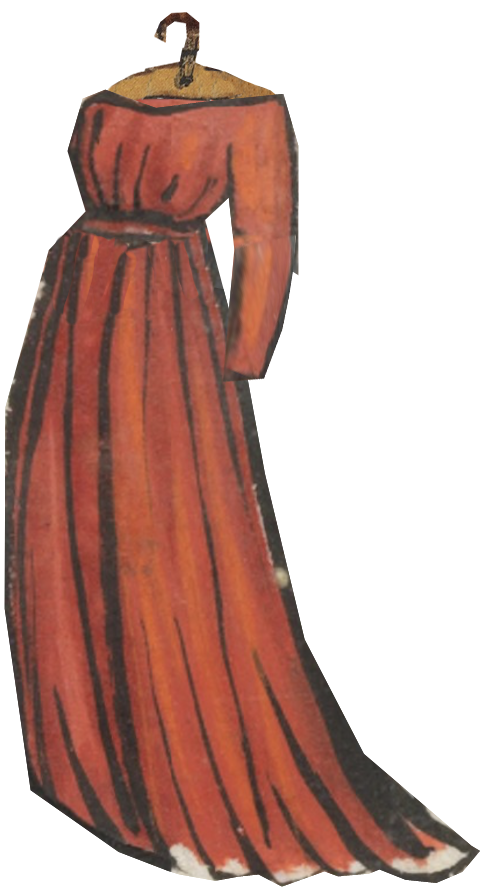
Woolen fabrics took especially well to plant-based dyes, unlike linen, due to their differing chemical make-up: wool is a protein fiber, while linen is made of cellulose. This made wool far more receptive to natural dyes, giving it a rich, lasting color — one reason why medieval outer garments were preferably always made of wool.
The incoming 15th century brought with it changes in popular fashions. The loose, flowing styles of earlier eras gave way to a sleeker, body-hugging silhouette. This look was achieved through skillful patterning: fitted panels shaped the upper body, while the skirt flared out below. Surviving garments such as the Herjolfsnes No. 38 exemplify this construction. The bodice could be tightened even more with buttons or lacing, either at the front or the side.
Veil, Wimple, Cap
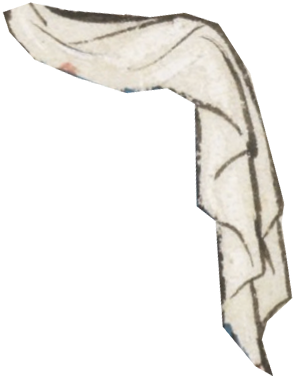
Veils were usually made of finely woven linen, but for more wealthy persons, could also be made of silk, adorned with pearls, or layered heavily. The kruseler was also very popular, a most-often rectangular veil with a seemingly lacy edge. In reality, this “lace” is the result of a special weaving technique that causes edge of the fabric to curl up (kruseler derives from kräuseln, meaning “to curl”). The edges would be starched to make the frills more prominent.
While headcoverings could be practical for hygienic and environmental reasons, married women were expected by default to wear a veil in public life because, due to religious doctrine and influences, it was seen as improper to have hair showing. These expectations loosened a bit towards the 15th century and very thin, almost translucent veils, and hairstyles that allowed hair to show, such as double braids framing the face, gained great popularity in Europe. During work or physical activity, St. Birgitta’s caps were popular to protect the hair.
Veils and wimples in different shapes, such as circles, semicircles and rectangles, as well as tube scarfs and coifs/caps or fillet bands could be combined in various ways to suit the wearer’s tastes.
Turnshoes
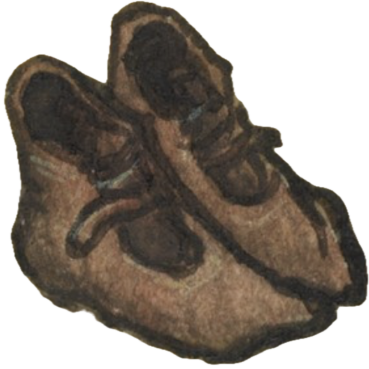
The common method of production was to turn-stitch shoes made of vegetable-tanned leather. The sole and upper were sewn together backwards and then turned inside out, making them more durable and moisture-resistant.
Shoe styles can generally be considered unisex; for example, shoes with straps were popular for both sexes. In addition, leather could be dyed in various ways, such as black with iron oxide or red with madder.
Belts & Girdles
Lorem ipsum dolor sit amet, consectetur adipiscing elit. Phasellus placerat tempor mattis. Vestibulum blandit commodo ex sed rhoncus. Donec consequat condimentum odio ut auctor. Proin vel quam eleifend, suscipit enim ut, facilisis nulla. Nunc scelerisque nisi efficitur,
lobortis sem nec, dictum nibh. Nunc vitae dolor sit amet urna pulvinar ultricies. Nulla pulvinar euismod lacinia. Phasellus in accumsan nisi. Donec volutpat nibh ipsum, ac tincidunt dolor laoreet sagittis. Quisque pharetra egestas metus. Pellentesque euismod nulla quis ipsum gravida viverra.
Cras luctus metus vel velit sagittis, ut auctor erat lobortis. Phasellus semper venenatis magna.
lobortis sem nec, dictum nibh. Nunc vitae dolor sit amet urna pulvinar ultricies. Nulla pulvinar euismod lacinia. Phasellus in accumsan nisi. Donec volutpat nibh ipsum, ac tincidunt dolor laoreet sagittis. Quisque pharetra egestas metus. Pellentesque euismod nulla quis ipsum gravida viverra.
Cras luctus metus vel velit sagittis, ut auctor erat lobortis. Phasellus semper venenatis magna.
metusor erat lobortis. Phasel
Limetus vel velit sagittis, ut auctor erat lobortis. Phaselnk
Link
Pouch; Purse
In period art, women are typically not seen with big and bulky pouches or bags, but rather smaller and incospicous purses that were often hidden between layers of clothing. Judging by their size, their main use probably lied in being money– and alms purses.
Stockings
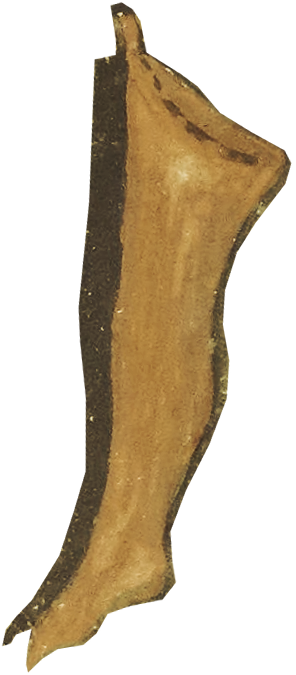
The chosen fabric for hosen and stockings, which is wool, is cut on the bias, giving them enough stretch to allow for movement (putting on and taking off)—the tighter the fit, the more stylish and therefore the better.
The stockings of women tended to be shorter than men’s, and were usually held up by garterbelts or ribbons just below the knee.
Shift; Underdress
Both women and men wore linen undergarments beneath their woolen outer layer to protect it from sweat and other bodily fluids, as linens could be cleaned more easily and frequently.
It is assumed that around 1400, women only wore one or two (one supportive, one protective) underdress(es), and probably no seperate piece of bottom underwear. For the latter half of the 15th century we have extant undergarments that already start to resemble a modern-day bra and underpants (see the finds of the Lengberg Castle).
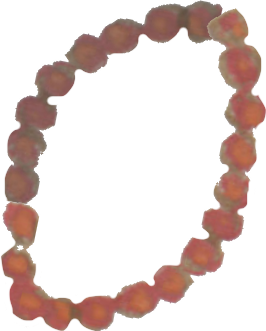
Jewelry